
Record Keeping
The old saying, “You can’t manage what you don’t measure,” holds true. Therefore, to make progress and profit in the cattle business, records must be kept.
Establish a system for herd recordkeeping, using programs from companies, producer organizations or Extension education services. They incorporate varying levels of technology from wireless or self-entry on your computer to mail-in sheets of handwritten ledgers.
Use a system that
you can easily and
accurately maintain
and remember,
it doesn’t haveto
be “high tech.”
you can easily and
accurately maintain
and remember,
it doesn’t haveto
be “high tech.”
Use a system that you can easily and accurately maintain and remember, it doesn’t have to be “high tech.” The Angus Beef Record Service (BRS) provides a system for commercial cattle producers to keep herd management and performance records on their animals. For more information, visit www.beefrecords.com.
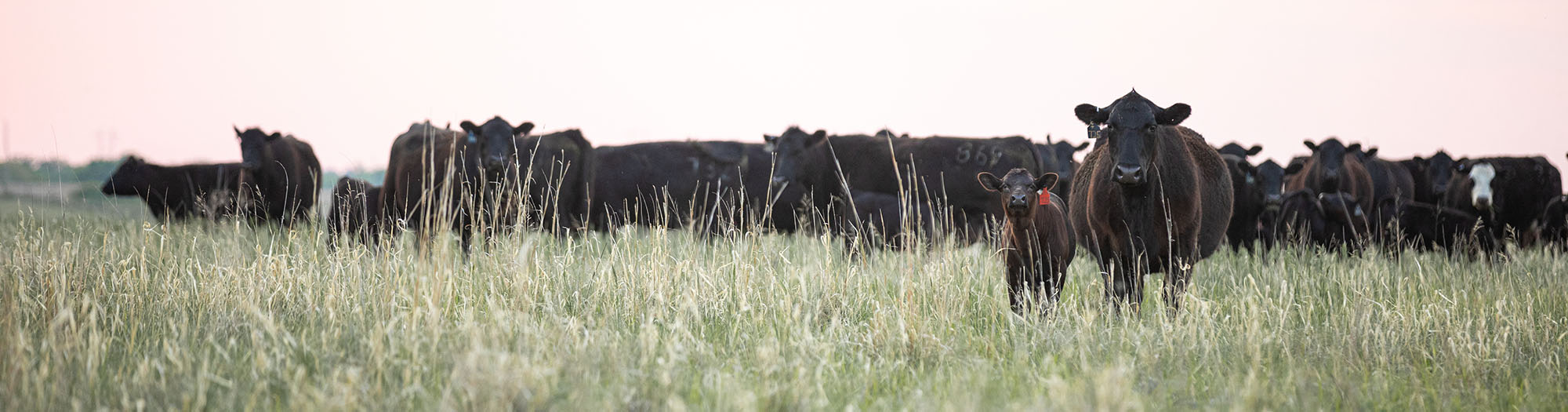
- Individually identify (ID) your cows, as a prerequisite to meaningful records. If they are not currently identified, you can change that the next trip through the chute for pregnancy evaluations or vaccines. Be sure to identify purchased or retained replacement heifers.
- Individually ID calves soon after calving. At a minimum, keep records of calving date, sex and dam. Add the sire, pasture, calving ease code and birth weight if you can.
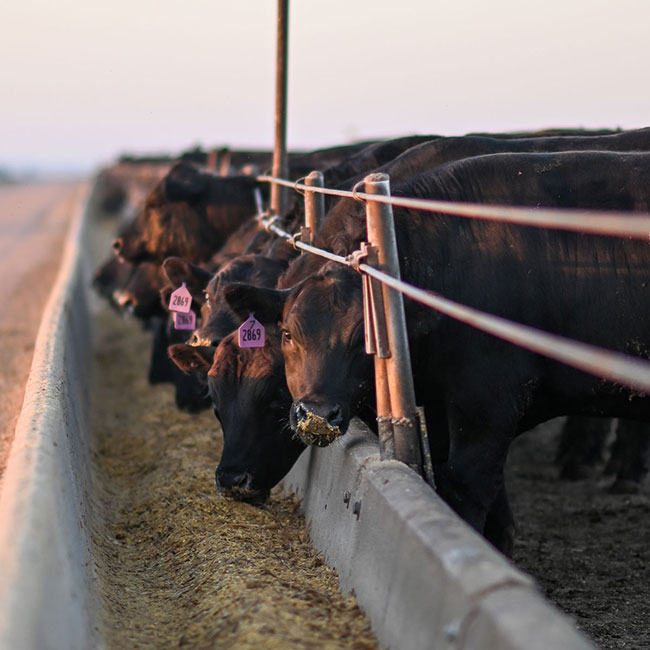
- An ear tag is likely the most practical form of identification. Whether you choose the basic numbered panel or electronic ID, use the system that best fits your plans. Some marketing decisions start with a calfhood tag.
- Record all management practices, such as medical treatments and vaccinations. Make sure to record date, products and dosages.
- Pocket-sized herd record books are easy to carry, but also easy to lose. Maintain a backup record system in an office ledger or computer.
- Maintain easy access to records for at least five years and archive older records.